


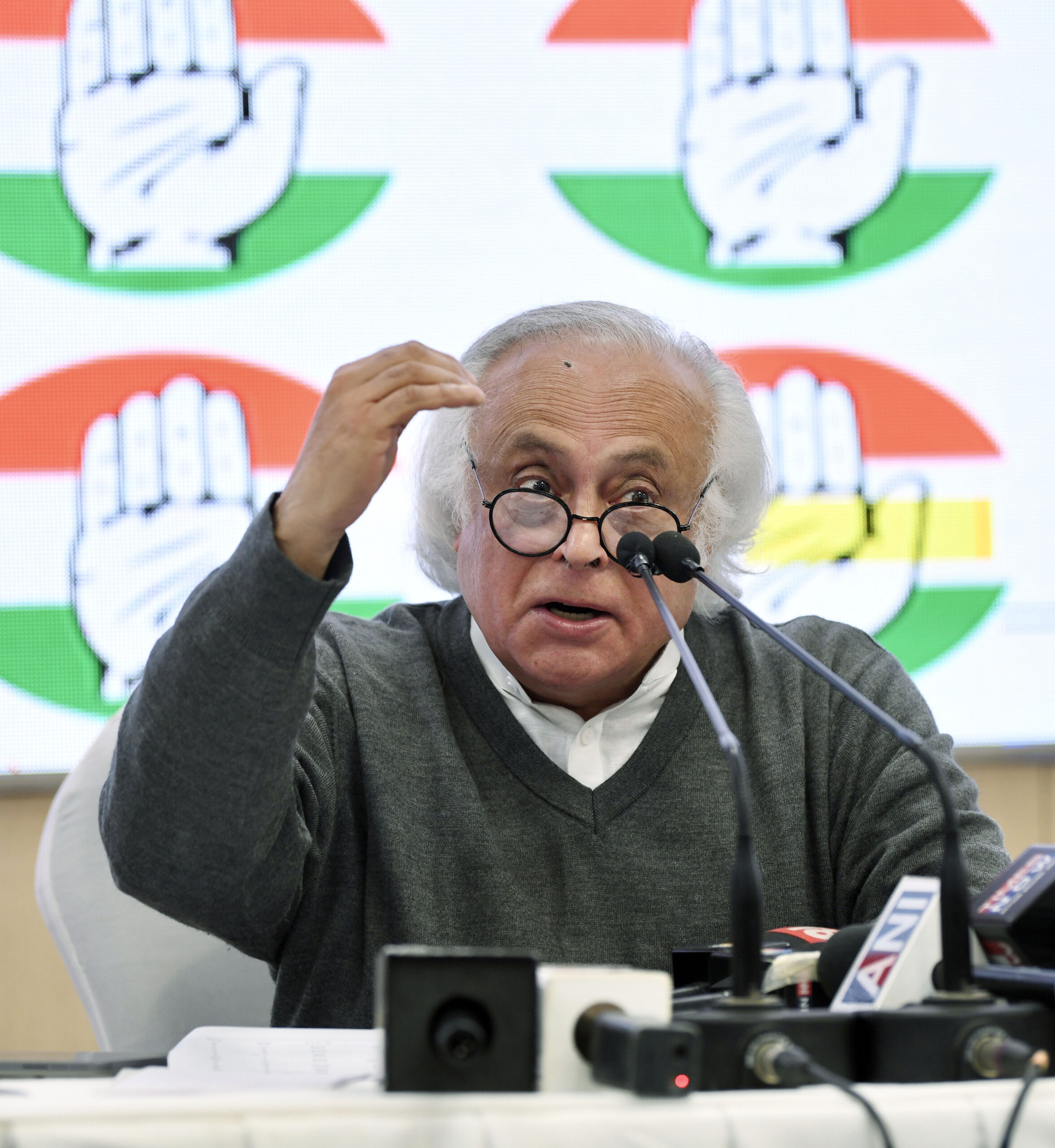
NEW DELHI, May 28: The Congress criticized the Agnipath military recruitment scheme, labeling it a “national security threat” and alleging that it has significantly reduced recruitment, potentially compromising the country’s security for the next decade. Congress general secretary Jairam Ramesh’s critique of the government stemmed from a media report suggesting that the Department of Military Affairs is actively assessing the feedback on serving Agniveers to gauge the impact of their induction and make necessary adjustments for the Army, Air Force, and Navy.
Ramesh emphasized the importance of maintaining a dense deployment of personnel along Eastern Ladakh to counter Chinese aggression. He highlighted that the Agnipath scheme has reduced annual recruitment from 75,000 to 46,000, leading to a potential shortfall in personnel that could jeopardize national security. Ramesh also expressed concern over the minimal six-month training period for Agniveers before they are deemed battle-ready.
The Congress leader criticized the Modi government for implementing the Agnipath scheme without adequate forethought, consultation, or considering the opposition from the three Army chiefs. He accused the outgoing Prime Minister of prioritizing arrogance over the country’s security.
Meanwhile, the Congress accused the Modi government of jeopardizing national security and the youth’s future by introducing the Agnipath scheme. Congress leader Rahul Gandhi denounced the scheme as an insult to the patriotism of the armed forces and the youth.
In defense of the Agnipath scheme, Union Home Minister Amit Shah argued that it offers an attractive opportunity for youth by guaranteeing a full-term job for Agniveers who retire after a four-year tenure in the armed forces.
The Agnipath recruitment scheme was rolled out in June 2022 to facilitate short-term induction of personnel and lower the age profile of the three services. It recruits individuals aged between 17-and-a-half years and 21 for four years, with provisions to retain 25 percent of them for an additional 15 years.

