Supreme Court Declines to Hear Plea Against New Criminal Laws, Permits Petition Withdrawal
 Admin
Admin
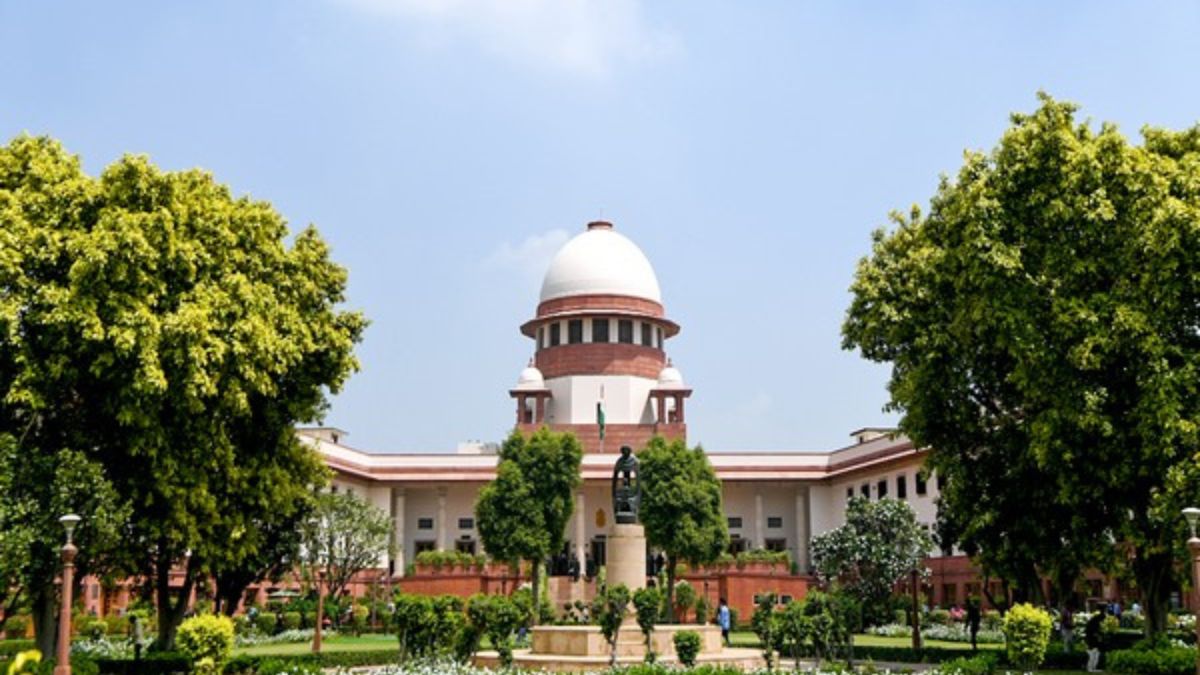
New Delhi, May 20: The Supreme Court on Monday refused to entertain a petition challenging the enactment of three new laws designed to overhaul India’s penal codes. A vacation bench of Justices Bela M Trivedi and Pankaj Mithal allowed petitioner advocate Vishal Tiwari to withdraw the plea.
The Lok Sabha passed three key legislations on December 21 last year — the Bharatiya Nyaya (Second) Sanhita, the Bharatiya Nagarik Suraksha (Second) Sanhita, and the Bharatiya Sakshya (Second) Bill. These were assented to by President Droupadi Murmu on December 25. These new laws — the Bharatiya Nyaya Sanhita, the Bharatiya Nagarik Suraksha Sanhita, and the Bharatiya Sakshya Act — are set to replace the Indian Penal Code (IPC), the Code of Criminal Procedure (CrPC), and the Indian Evidence Act respectively.
At the outset, the bench informed Tiwari, “We are dismissing it (petition),” noting that the laws have not yet come into force. As the court indicated its disinclination to entertain the plea, Tiwari requested permission to withdraw the petition. The bench observed, “The petition has been filed in a very casual and cavalier manner. If you had argued more, we would have dismissed it with cost but since you are not arguing, we are not imposing cost.”
The PIL, filed by Tiwari, sought a stay on the operation of the three new laws, claiming they were enacted without any parliamentary debate as most opposition members were under suspension. The plea also sought the immediate constitution of an expert committee to assess the viability of the new criminal laws.
The plea argued that the new laws are more draconian and establish a police state, violating fundamental rights. It claimed that while British colonial laws were considered oppressive, the new Indian laws are even more stringent, enabling extended police custody and potential police torture.
The Bharatiya Nyaya Sanhita includes provisions for punishing acts of secession, armed rebellion, subversive activities, separatist activities, or actions endangering the sovereignty or unity of the country, effectively revamping the sedition law. According to the new laws, anyone who excites or attempts to excite such actions could face life imprisonment or up to seven years in prison, along with a fine. The previous IPC section 124A on sedition allowed for life imprisonment or a three-year jail term.
Additionally, the new laws define “terrorism” for the first time, a term previously absent in the IPC. They also increase the magistrate’s power to impose fines and broaden the scope for declaring a proclaimed offender.
The Supreme Court’s refusal to entertain the petition and its subsequent withdrawal reflect the complexities and contentious nature of the newly enacted criminal laws, leaving their future impact subject to further legal and public scrutiny.