Curfew Imposed in Ladakh After Violent Clashes; 50 Detained
A curfew has been imposed in Leh, Ladakh, following violent clashes that resulted in four deaths and over 89 injuries, with at least 50 people detained amidst heightened security measures.
 Admin
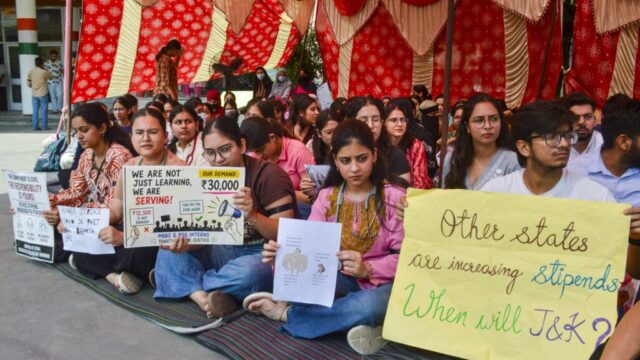
Admin On Thursday, authorities imposed a stringent curfew in Leh, Ladakh, after clashes erupted, leaving four dead and over 89 injured. The unrest began following a shutdown called by the Leh Apex Body (LAB) to push for statehood and the extension of the Sixth Schedule to Ladakh.
The violence erupted on Wednesday, escalating from initial protests into chaos involving arson and street confrontations. The situation led to the police and paramilitary forces implementing strict curfews across the region.
Local residents reported that the curfew aimed to maintain order after clashes resulted in significant property damage. Protesters set ablaze a BJP office and several vehicles, further complicating the region’s already tense atmosphere.
Reports indicate that police detained around 50 individuals overnight for their involvement in the violence. A police official confirmed that “the situation in the curfew-bound areas is well under control,” assuring that no further incidents have arisen.
In Kargil, where a shutdown occurred in solidarity with climate activist Sonam Wangchuk, strict prohibitory orders have also been issued. The orders prohibit gatherings of five or more people, effectively hindering public demonstrations and processions.
Wangchuk’s hunger strike prompted a wave of protests in support of his demands. However, with the situation intensifying in Leh, he announced the cessation of his fast due to growing unrest and his concern for the safety of protesters.
According to government statements, three of the injured are nationals from Nepal, raising questions about possible foreign involvement in the violence. Authorities are currently investigating the circumstances surrounding the clashes.
Over the past four years, the LAB and Kargil Democratic Alliance (KDA) have consistently advocated for statehood and constitutional recognition under the Sixth Schedule. They aim to secure greater autonomy for Ladakh, an issue that remains unresolved despite previous discussions with the Central government.
Officials have deployed a significant number of police and paramilitary personnel in key towns, including Kargil, Nubra, and Changtang, in response to the unrest. Kargil District Magistrate Rakesh Kumar has implemented prohibitions under Section 163 of the Bharatiya Nagarik Suraksha Sanhita, barring unauthorized assemblies and use of sound amplification devices.
In a statement, the home ministry reaffirmed the government’s commitment to the aspirations of the Ladakhi people, insisting that adequate constitutional safeguards will be provided. Lt. Governor Kavinder Gupta described the violence as heartbreaking and unfounded, attributing it to politically motivated actions amidst ongoing dialogues.
As tension simmers in Leh, Wangchuk has urged the youth to cease the violence, underscoring the importance of maintaining a peaceful approach in pursuing their demands. His appeal highlights the emotional toll of recent events, noting that years of advocacy have been overshadowed by violence.
As the curfew remains in effect, local residents and activists alike hope for a resolution that adheres to their demands without further escalation of violence. The Central government’s next round of talks with Ladakhi representatives is scheduled for October 6, a date that many now await with bated breath.