Congress Criticizes Modi as ‘Weak PM’ Over H-1B Visa Fee
Congress leaders slam PM Modi’s foreign policy after Trump’s new H-1B visa fee, labeling him a ‘weak PM’ and emphasizing the impact on Indian professionals.
 Admin
0 comments
Admin
0 comments
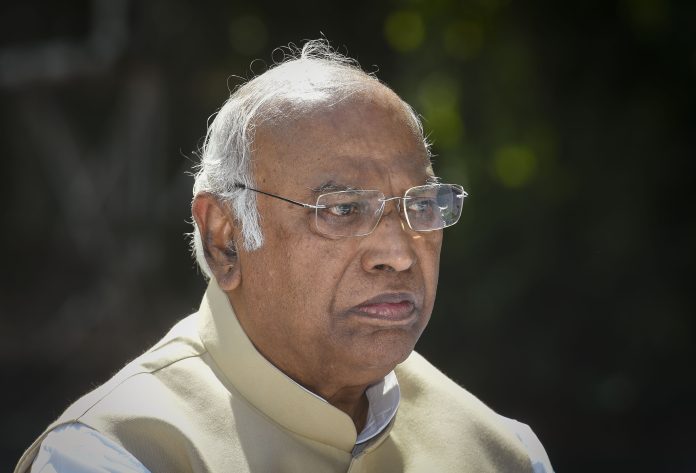
In a recent backlash, Congress leaders criticized Prime Minister Narendra Modi as a ‘weak PM’ due to US President Trump’s new H-1B visa fee. The fee, set at USD 100,000 annually, aims to bring highly skilled workers into the US labor market but poses significant challenges for Indian tech workers. The statements were made during a Congress meeting on Saturday, highlighting concerns over Modi’s handling of foreign relations.
The Impact of Trump’s H-1B Visa Changes
The Congress party’s criticism centers around the idea that Modi’s foreign policy does not effectively protect India’s national interests. Congress President Mallikarjun Kharge emphasized that actual foreign policy should prioritize safeguarding India’s sovereignty rather than relying on superficial engagements. He stated, “Foreign policy is about safeguarding our national interests; keeping India First, and steering friendships with wisdom and balance.”
In a notable post on social media platform X (formerly Twitter), Leader of Opposition Rahul Gandhi reiterated the party’s stance by claiming, “I repeat, India has a weak PM.” This allegation stems from the belief that Modi’s silence regarding the H-1B visa changes equates to negligence of Indian workers’ rights.
Statistical Evidence of Impact on Indian Workers
Statistics indicate that approximately 70% of all H-1B visa holders are Indian nationals. This demographic is now faced with the burden of significantly increased costs associated with their work in the US. Kharge noted, “Already estimated losses could reach Rs 2.17 Lakh crore across 10 sectors alone due to imposed tariffs and fees.”
Kharge also criticized the lifting of exemptions regarding the Chabahar port as detrimental to India’s strategic interests. He expressed concern that “bear hugs, hollow slogans, concerts and getting people to chant ‘Modi, Modi’ is not effective foreign policy.”
Congress Versus Modi: A Battle of Foreign Policy Approaches
Congress’s ongoing critique emphasizes that Modi’s method of handling international relations, often characterized by grand displays, fails to bring substantial benefits to India. In another post, Deputy Leader Gaurav Gogoi reflected on this, stating that while former PM Manmohan Singh dealt decisively with diplomatic insults, Modi’s approach has focused more on visibility than substance.
Moreover, Congress leader Pawan Khera claimed that Modi’s foreign policy has not evolved since 2017, echoing Gandhi’s prior warnings about the risks posed by the H-1B visa situation: “8 years later, Rahul Gandhi is vindicated yet again.”
What Trump’s Proclamation Means for India
President Trump’s proclamation is part of a broader effort to tighten immigration regulations, stating that the abuse of the H-1B program poses a national security threat. Trump asserted, “This visa program was created to perform high-skilled, high-demand tasks; however, it often displaces American workers.”
This rhetoric positions the H-1B visa changes as more than just policy adjustments but as part of a national strategy impacting numerous industries. Experts estimate that this could drastically reshape the landscape of tech jobs for skilled Indian workers.
Conclusion: A Call to Action for Indian Interests
The Congress party seeks to advocate for a foreign policy that truly prioritizes Indian professionals. By calling into question Modi’s leadership and its effectiveness on the global stage, Congress is framing the recent H-1B visa fee as a critical moment for reassessing India’s diplomatic approach.
As India navigates this complicated landscape, it will be crucial for the government to not only respond to external pressures but to ensure that the rights and interests of its citizens remain at the forefront of its diplomatic strategy.