India Calls for Action on Technology Transfer, Climate Finance, and Trade Measures at UN Talks in Baku
 Admin
Admin
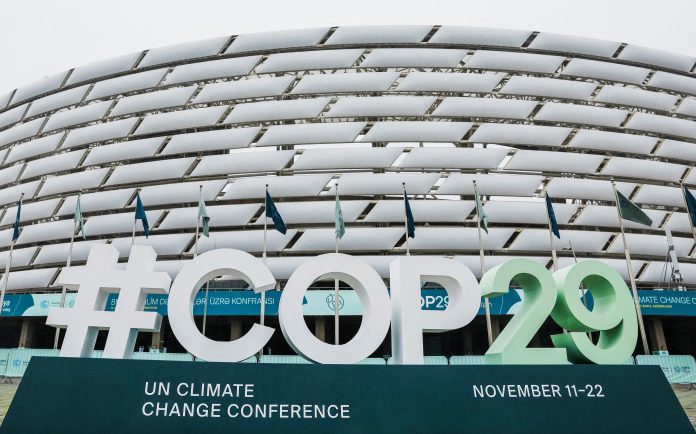
Baku (Azerbaijan), Nov 18: India on Monday called on developed countries to remove barriers to technology transfer, increase public climate finance, and avoid unfair trade measures disguised as climate action, during a high-level ministerial roundtable on pre-2030 ambition at the UN climate talks in Baku.
India’s Environment Secretary, Leena Nandan, emphasized the need for developed nations to take the lead in cutting emissions and achieving net-zero by 2030, calling it essential for building a sustainable future.
“This is essential to build a stronger, sustainable future,” she said during the discussions. Nandan also highlighted that while innovative technologies are crucial for a low-carbon future, they must be made accessible to developing countries.
“Developing countries need solutions like clean energy and carbon removal technologies, but barriers such as intellectual property rights make it difficult to access these technologies,” Nandan pointed out. She urged that COP29 come up with practical solutions to make these technologies affordable, adaptable, and relevant for developing nations.
India further called for developed countries to address the massive climate finance gap, which is delaying climate action in the developing world.
“Trillions of dollars are needed for clean energy projects, disaster-resilient infrastructure, and climate adaptation… It should be ensured that any deviation from the least-cost development pathways committed by developing countries is fully met through public finance by developed nations,” Nandan said. She added that failing to meet these commitments would place an additional financial burden on developing countries, which are already bearing the disproportionate impacts of climate change, despite not being the main contributors to the problem.
India also raised strong objections to unilateral trade measures such as the European Union’s Carbon Border Adjustment Mechanism (CBAM), arguing that they unfairly shift the costs of climate action onto poorer nations.
“These measures hinder international cooperation and impose additional financial burdens on developing countries,” Nandan warned.
Finance Minister Nirmala Sitharaman had also criticized the CBAM last month, calling it “unilateral and arbitrary,” and said such measures could harm India’s industries and disrupt the balance in international trade. According to a report by the Delhi-based think tank Centre for Science and Environment, CBAM could impose an additional 25 percent tax on carbon-intensive goods exported from India to the EU, potentially costing India 0.05 percent of its GDP.
India further highlighted that global emissions could peak by 2030, as projected by the 2024 NDC synthesis report, which indicates that emissions will be 2.6 percent lower in 2030 compared to 2019 levels.
India stressed that this goal is achievable, but for it to be realized, developing nations must have access to finance, technology, and capacity-building support.
Key Points Raised by India at UN Climate Talks:
- Remove barriers to technology transfer, particularly intellectual property rights, to make technologies like clean energy and carbon removal accessible to developing countries.
- Developed nations must increase public climate finance to meet the urgent needs of developing countries for clean energy, climate adaptation, and resilient infrastructure.
- Unilateral trade measures like CBAM unfairly shift the burden of climate action to poorer nations and undermine international cooperation.
- The need for developed countries to take leadership in emissions cuts and the achievement of net-zero by 2030.
- India’s goal to help global emissions peak by 2030, emphasizing the importance of international cooperation and finance for developing nations.
India’s call for equitable solutions and fair treatment in global climate action underlines the growing urgency for addressing the climate crisis in a way that ensures both justice and progress for all nations.