


KATHMANDU, Jun 6 : Nepal’s substantial hydroelectric power reservoir is spearheading a transformative shift, reducing the nation’s reliance on oil imports and combating air pollution through a surge in electric vehicle (EV) sales.
With almost all electricity in Nepal being generated from clean sources, primarily hydroelectricity, the country is rapidly expanding its EV infrastructure. Customs data reveals that EV imports have doubled annually over the past two years.
According to the Nepal Electricity Authority, the adoption of EVs has slashed annual oil import costs by USD 22 million, with further savings anticipated. With nearly 94% of the population now connected to the expanding grid, Nepal is poised to lead its neighbors in EV adoption.
The country currently boasts a peak power production capacity of 2,600 megawatts, with ongoing hydropower projects set to augment this capacity. Additionally, a minor fraction of power is sourced from solar installations.
Kanak Mani Dixit, a prominent environmental activist, underscored Nepal’s advantageous position in utilizing clean energy for transportation. Chinese automaker BYD’s Atto 3 and Indian manufacturer Tata’s Nexon are reportedly leading EV sales in the country.
In alignment with its climate commitments, Nepal aims to have EVs account for 25% of all auto sales by 2025 and 90% by 2030. To incentivize adoption, the government has imposed lower import duties on EVs compared to traditional vehicles.
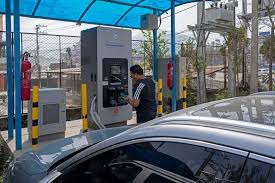
Nepal has also been rapidly expanding its charging infrastructure, with the current count standing at 400 stations, set to double within a year.
EV drivers, such as cardiac surgeon Jyotindra Sharma, laud the environmental and economic benefits of EV ownership. However, despite the proliferation of small EV vans, Kathmandu’s public transport sector still lacks EV buses, exacerbating pollution issues in the capital.
Bhakta Kumar Gupta, a van driver who made the switch to EVs, highlights the cost-efficiency and environmental advantages of electric transportation. Yet, the imperative to transition to more EVs remains critical for Nepal’s health and economic well-being, according to Dixit.

