


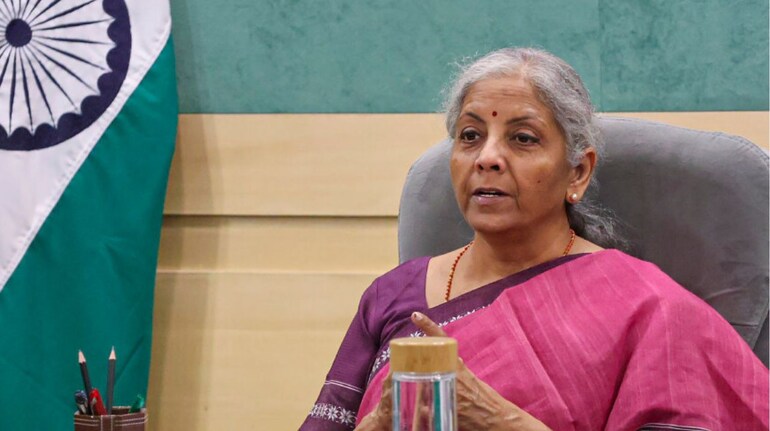
New Delhi, Nov 12: Union Finance Minister Nirmala Sitharaman is set to meet state finance ministers on December 21-22 for pre-budget consultations and a GST Council meeting, an official announced.
The meeting is crucial as the state finance ministers will present their recommendations for the 2025-26 Budget, which is scheduled to be unveiled on February 1, 2025.
One of the key items on the agenda is the 55th GST Council meeting, where decisions are expected on the long-awaited exemption or reduction of GST rates on health and life insurance. The Council may also consider a rationalization of tax rates on various common items, potentially lowering rates from 12% to 5%, based on recommendations from a panel of state ministers.
The two-day meeting will be held in Rajasthan, with Jaisalmer or Jodhpur as possible locations.
In a recent development, the group of ministers (GoM) on health and life insurance under GST reached a broad consensus to exempt insurance premiums for term life insurance policies and health insurance for senior citizens from GST. Additionally, premiums for health insurance policies with coverage up to Rs 5 lakh may be exempted from GST, while the 18% GST on premiums for policies covering amounts exceeding Rs 5 lakh will remain.
The GoM was tasked with finalizing its report on GST on insurance by October, following the 54th GST Council meeting in September.
Another GoM on GST rate rationalization has proposed changes to tax rates on several goods. Among these suggestions are reducing GST on packaged drinking water (20 litres and above) and bicycles costing under Rs 10,000 to 5%, down from 18% and 12%, respectively. GST on exercise notebooks would also be reduced to 5% from 12%. Meanwhile, the GoM has recommended raising GST on shoes priced above Rs 15,000 and luxury wristwatches above Rs 25,000 from 18% to 28%.
These adjustments could result in an estimated revenue gain of around Rs 22,000 crore.
Currently, GST operates under a four-tier tax structure with slabs at 5%, 12%, 18%, and 28%. Essential items are either exempt or taxed at the lowest slab, while luxury and sin goods are taxed at the highest slab, with additional cess. The need for rate rationalization discussions has become more urgent as the average GST rate has fallen below the revenue-neutral rate of 15.3%.

